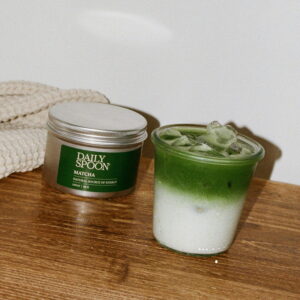







If you’ve ever tried making matcha at home, you probably know the feeling–one day it turns out perfectly smooth and delicious, and the next… well, it tastes like freshly cut grass, is overly bitter, or ends up full of clumps.
The good news? A great matcha latte isn’t about luck or magic. All you need are a few simple techniques and an understanding of how to prepare matcha the right way.
In this guide, we’ll share the perfect matcha latte recipe, common mistakes to avoid, practical tips, and explain the difference between ceremonial and classic matcha (yes, there really is one!).
What Is Matcha and Why Is Everyone Obsessed With It?
Simply put, matcha is green tea leaves (Tencha) that have been stone-ground into an incredibly fine powder with a silky texture. Unlike regular green tea, where you steep the leaves and discard them, with matcha you’re consuming the entire tea leaf.
This gives matcha:
- A much richer flavor
- Its vibrant green color
- A naturally high concentration of antioxidants
Over the past few years, matcha has become a wellness superstar and a popular alternative to morning coffee.
Why Does Matcha Feel Different From Coffee?
Matcha contains not only caffeine but also the amino acid L-theanine.
While coffee often provides a rapid spike in energy followed by an afternoon crash, L-theanine slows the absorption of caffeine, creating a steadier, longer-lasting source of energy.
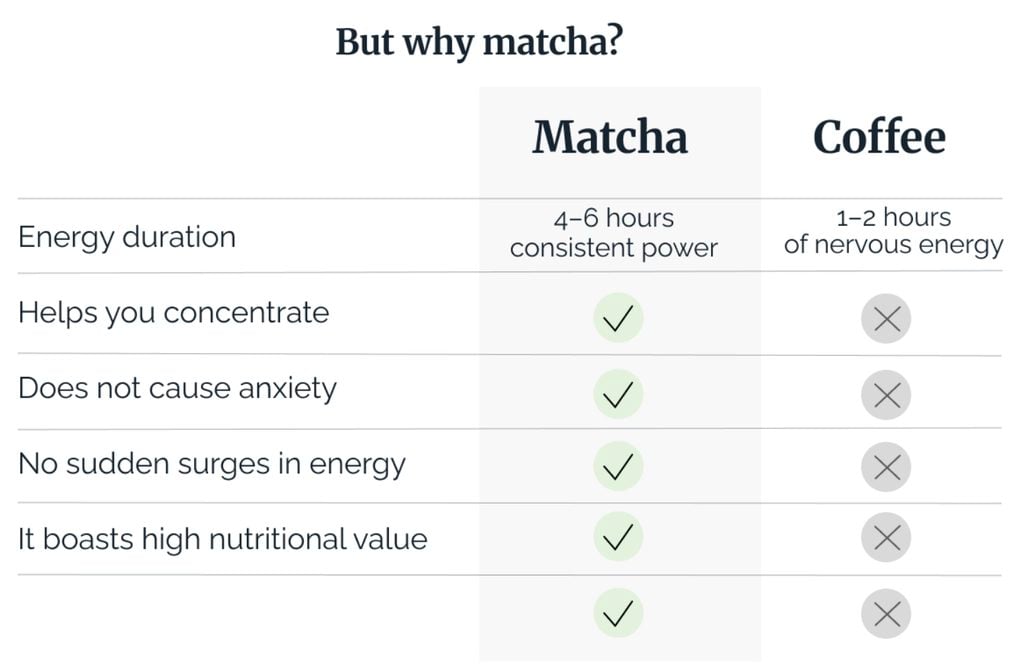
Classic vs. Ceremonial Matcha: which one should you choose?
This is where most people get confused.
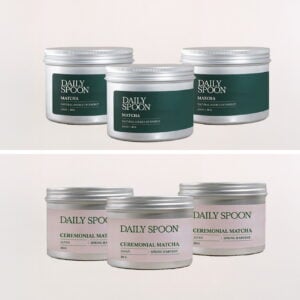
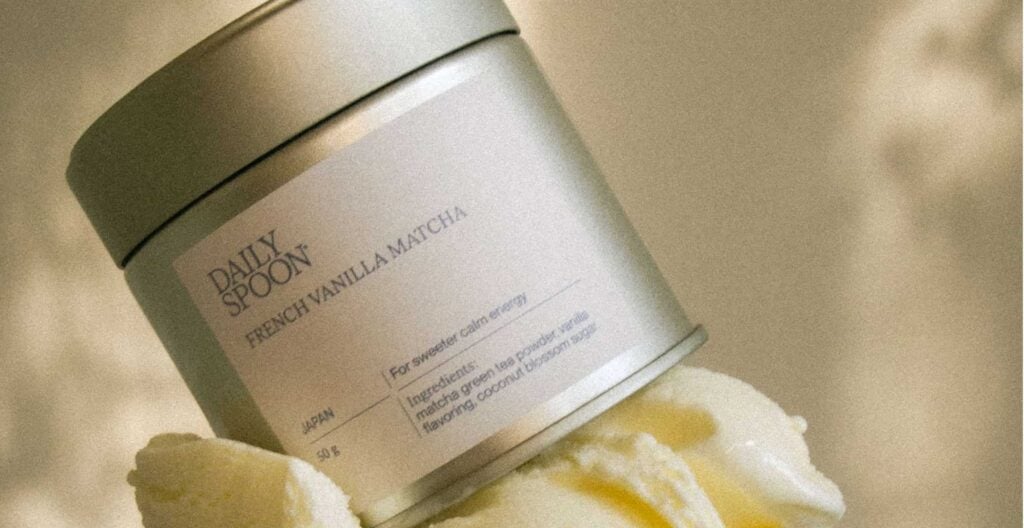
Since Daily Spoon offers two different types of matcha, here’s how to choose the one that’s best suited to your needs.
Classic Matcha – Your Everyday Choice
Classic Matcha is often referred to as everyday matcha because it’s produced from a slightly later tea harvest, making it an excellent option for daily use.
- Flavor Profile: It has a fuller, stronger flavor with pronounced grassy notes and a subtle, pleasant bitterness.
- Perfect for Matcha Lattes: Classic Matcha truly shines in lattes. Whether you use dairy milk or a plant-based alternative, the milk naturally softens matcha’s intensity. Thanks to its bold flavor, Classic Matcha doesn’t disappear–it still delivers a rich, creamy latte with a distinctive matcha taste.
- Great for Cooking: Classic Matcha is also incredibly versatile. Use it in desserts–from chia puddings to cakes–or add it to homemade energy balls for an extra nutritional boost.
If you’re just beginning your matcha journey, want to experience its energy-supporting benefits, or enjoy experimenting in the kitchen, Daily Spoon Classic Matcha is the perfect place to start.
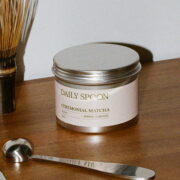
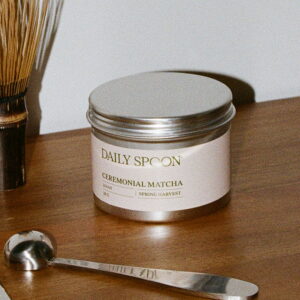
Ceremonial Matcha – for those who appreciate premium quality
Ceremonial Matcha represents the highest grade of Japanese matcha and is traditionally used in authentic Japanese tea ceremonies. Its cultivation and harvesting require exceptional care.
Flavor Profile
Only the youngest, most delicate leaves from the very first spring harvest are selected.
- The result is: A beautifully vibrant green color, a silky-smooth texture and a naturally sweet umami flavor with virtually no bitterness
- How to Enjoy It: Although it makes an exceptionally luxurious latte, Ceremonial Matcha is best enjoyed simply whisked with warm water. This allows you to fully appreciate its authentic flavor and the traditional matcha experience.
If you’re looking for the highest possible quality and want to experience matcha as it’s traditionally enjoyed, choose Daily Spoon Ceremonial Matcha.
What you’ll need for the perfect matcha latte
Before getting started, prepare the following:
- Approximately 1 g (about 1 teaspoon) of Daily Spoon Classic or Ceremonial Matcha
- 60–80 ml of warm water (70–80°C / 160–175°F – never boiling)
- 180–220 ml of your favorite milk. Our personal favorite is coconut milk, thanks to its natural sweetness that beautifully balances matcha’s earthy flavor.
You’ll also need:
- A bamboo whisk or an electric milk frother
- A small sieve (optional, but highly recommended)
Step-by-step matcha latte recipe
Step 1: Sift the matcha
Don’t skip this–it only takes five seconds. Because matcha is ground so finely, it naturally absorbs moisture from the air and forms small clumps. Sift the powder directly into your bowl or mug to ensure a smooth drink.
Step 2: Add Warm Water
Pour warm (not boiling) water over the matcha. If you’ve just boiled your kettle, let it sit uncovered for about five minutes before using. Why? Boiling water “burns” matcha, releasing tannins that make it taste unpleasantly bitter.
Step 3: Whisk
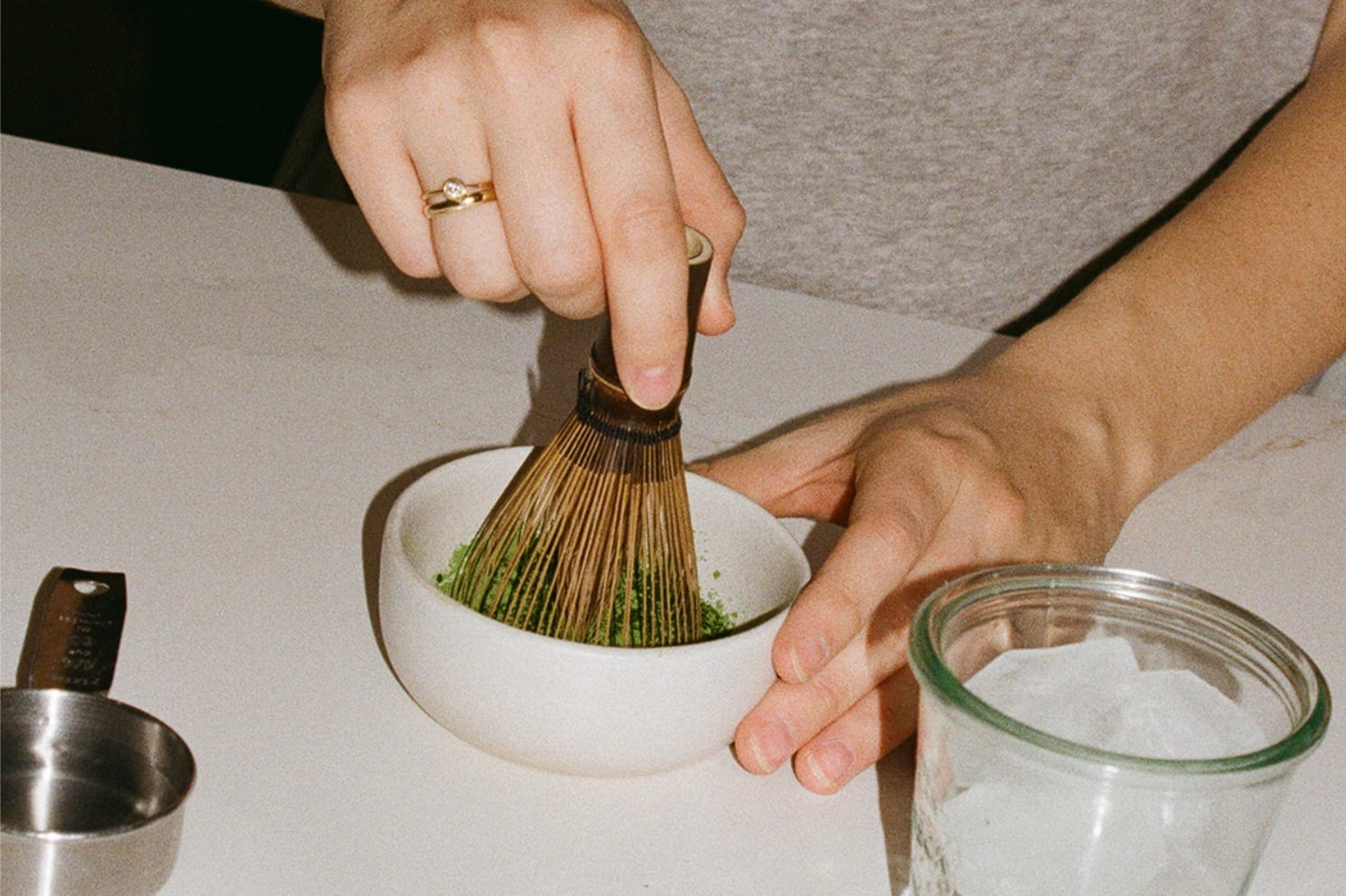
Using a traditional bamboo whisk, whisk rapidly in a zigzag “W” or “M” motion–not in circles–until a rich layer of light green foam appears. If you’re using an electric frother, simply blend until the powder has completely dissolved.
Step 4: Prepare the Milk
Warm your milk to approximately 60–65°C (140–150°F). If you enjoy a frothy latte, lightly froth the milk before pouring. For a sweeter drink, this is also the perfect time to add a splash of maple syrup or honey.
Step 5: Combine Everything
Slowly pour the warm milk over the whisked matcha. For a café-style appearance, pour the milk gently along the side of the cup. Enjoy immediately.
Four Common Mistakes That Ruin Matcha
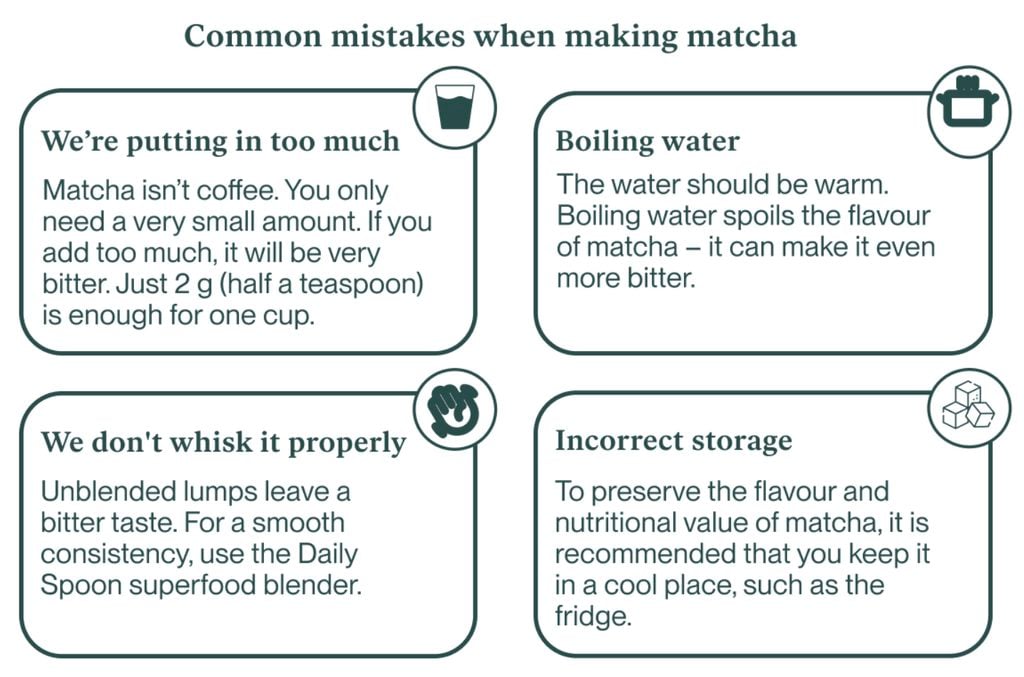
- Using Boiling Water: As mentioned earlier, boiling water is the quickest way to make matcha taste bitter.
- Using Too Much Milk: If you add 300 ml of milk but only a small amount of matcha, you’ll end up drinking green-colored milk rather than a proper matcha latte.The matcha flavor should always remain noticeable.
- Choosing Poor-Quality Matcha: If your matcha is dull green, yellowish, or purchased as inexpensive culinary-grade matcha, it’s intended for baking–not drinking. Drinking-quality matcha should always have a bright, vibrant green color.
How to store matcha properly
Matcha is a delicate, living product.
Exposure to light, oxygen, and moisture causes oxidation, which gradually reduces its color, flavor, and beneficial properties.
To keep it fresh:
- Always reseal the package immediately after use.
- Store it somewhere cool, dark, and dry.
- If you’ve purchased a larger quantity and won’t finish it within a month, you can store the sealed container in the refrigerator.
Making an excellent matcha latte at home isn’t complicated. Most of the difference comes down to three simple things:
- Using high-quality matcha
- Choosing the correct water temperature
- Whisking it properly
Once you’ve mastered these basics, your homemade morning matcha can easily rival the one from your favorite café.