
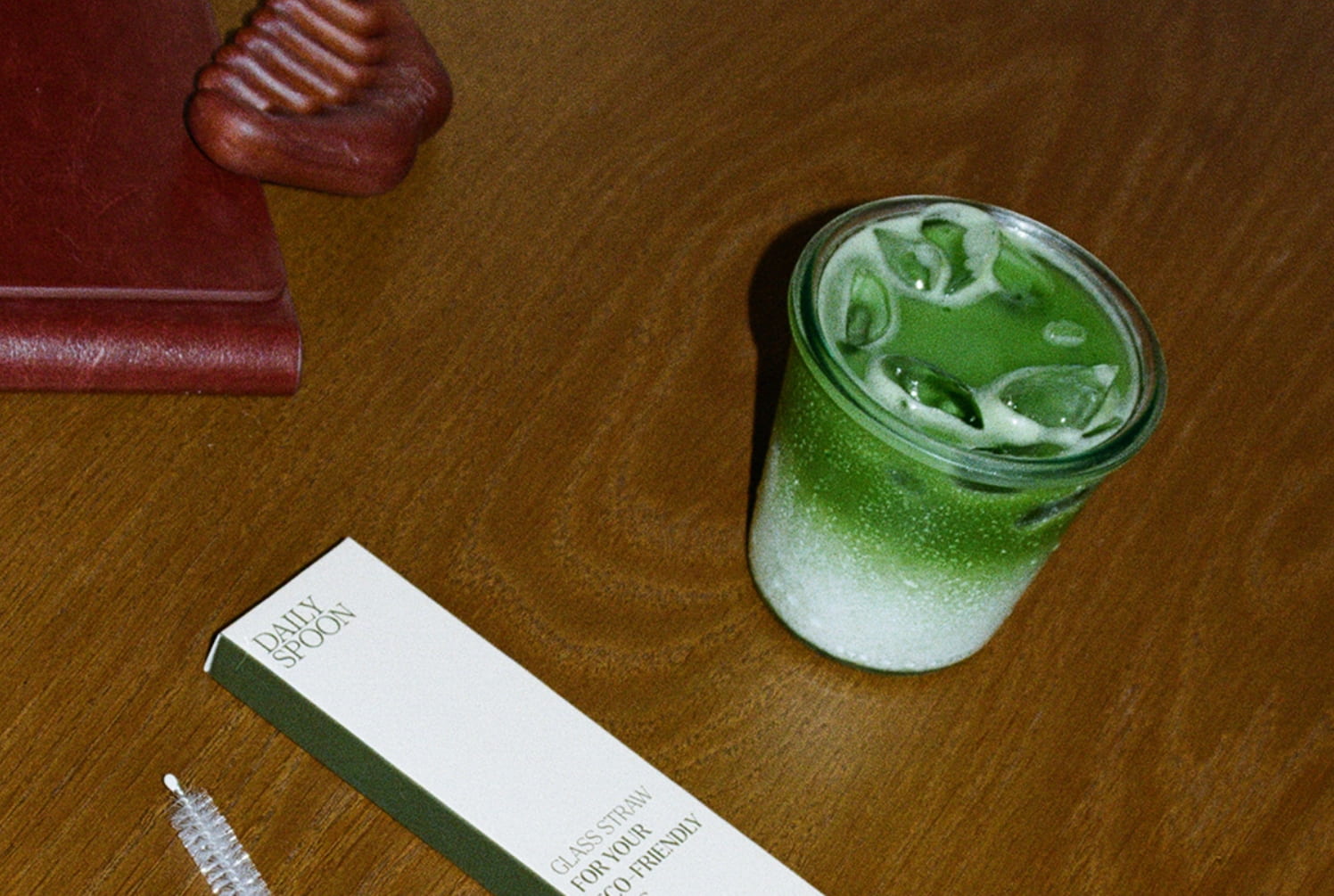
If you’ve ever searched for matcha online, you’ve likely come across a rather confusing selection. One tin of matcha costs €10, while another costs €40, even though they look very similar at first glance. One product says ceremonial matcha, another says premium, culinary, organic, or simply Japanese matcha. So, which one is actually the best?
The truth is: there is no single “best” matcha for everyone. The most suitable choice depends on how you drink it, what taste you prefer, and how much you want to invest in your daily ritual.
In this guide, we will explain the differences between matcha grades, why some cost more than others, and how to choose high-quality matcha.
What Determines the Quality of Matcha? The Science Behind the Packaging
Matcha quality begins long before it is ground into powder:
- Shade growing: 3–4 weeks before harvesting, the tea bushes are covered from sunlight. This prompts the plant to produce a massive amount of chlorophyll (which gives good matcha its bright green color) and L-theanine, an amino acid responsible for a sweetish umami flavor and calm focus.
- Harvest time: Young top leaves from the spring harvest have the least bitterness and the highest concentration of beneficial nutrients. Later summer or autumn harvests yield tougher leaves with more tannins (bitterness).
- Grinding method: Top-grade matcha is ground slowly using traditional granite stone mills so friction doesn’t heat the powder and evaporate its flavor.
Matcha Grades: How Do They Differ?
Matcha is generally divided into three main categories. Here is how to tell them apart:
1. Ceremonial Grade Matcha – The Pinnacle of Perfection
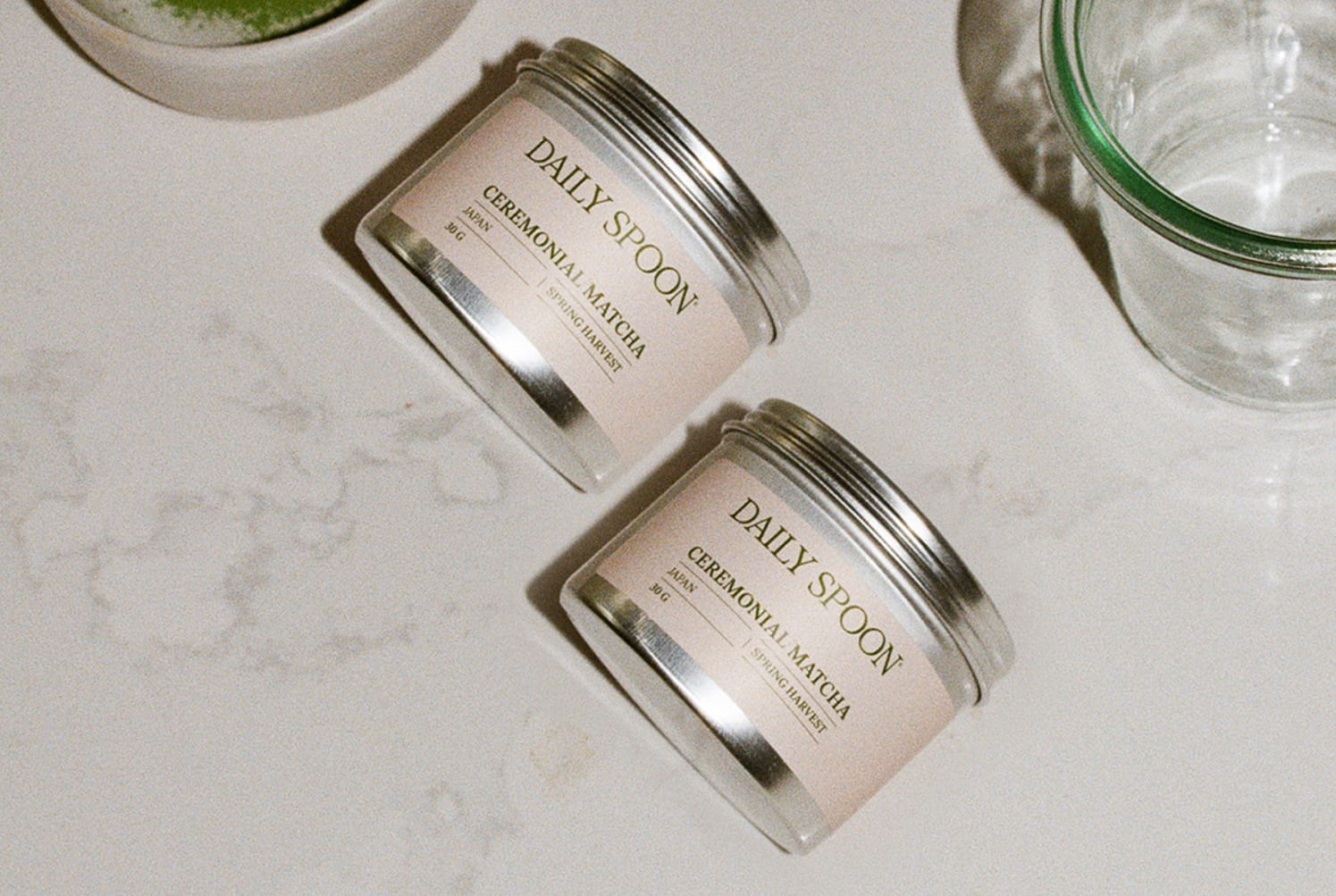
This is the highest and purest grade of matcha, traditionally used in Japanese tea ceremonies.
- Harvest: Only the very first spring harvest (First Flush). Only the youngest, softest top leaves are picked, with their stems and veins carefully removed.
- Color and texture: Neon, almost glowing green. The powder is so fine it feels like silk.
- Taste: Exceptionally smooth, creamy, with natural sweetness and a deep umami finish. Zero bitterness.
- Price: The highest (usually between €20 and €40+ per 30g).
- Verdict: Best enjoyed pure, whisked solely with warm water to experience the true depth of the tea. It is also suitable for an extraordinarily smooth latte.
2. Classic / Premium Grade Matcha – The Daily Choice
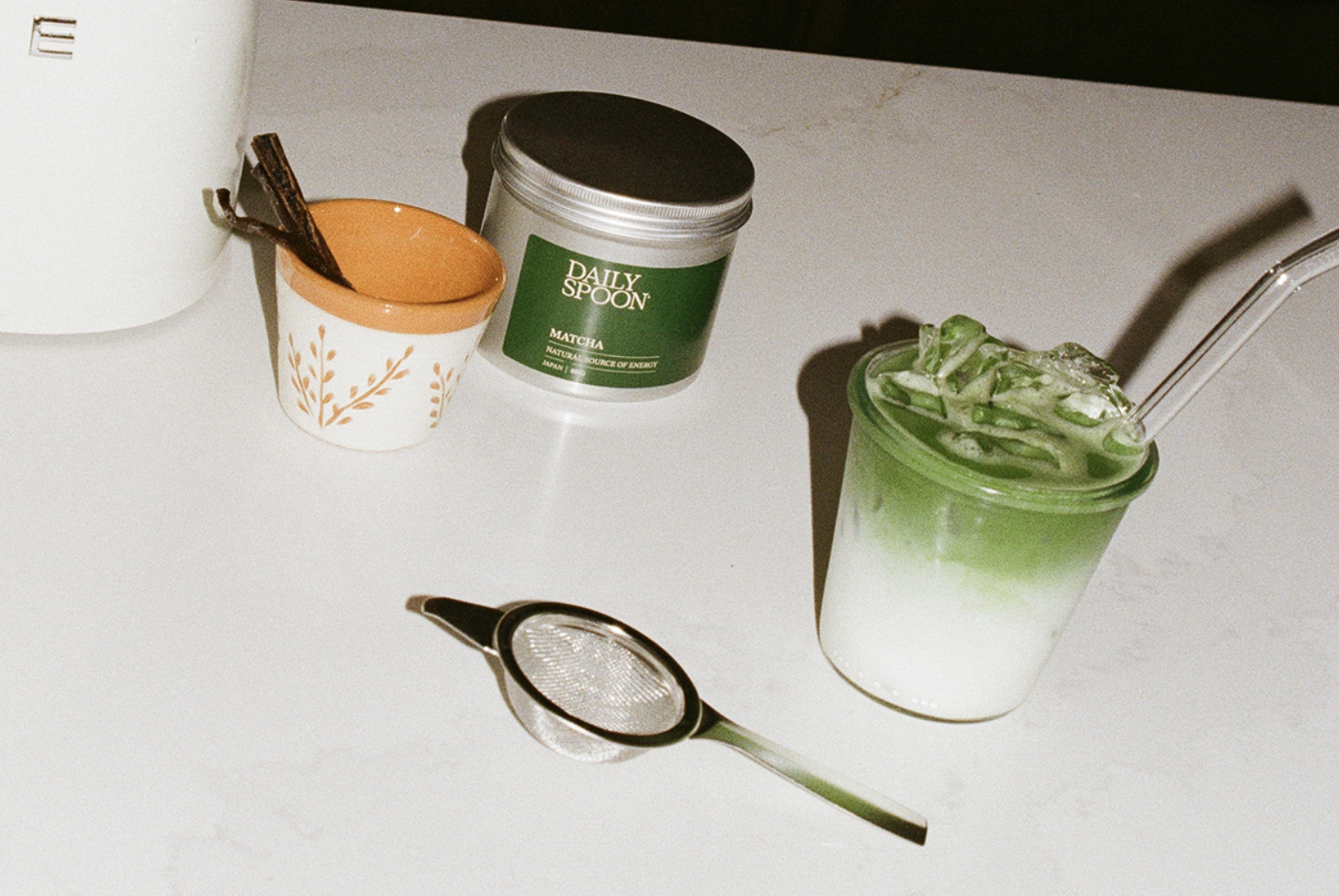
This is a high-quality matcha balanced for everyday consumption and milk-based drinks.
- Harvest: Later spring or second harvest leaves.
- Color and texture: Light green, finely ground.
- Taste: Richer, bolder, with a pleasant, natural grassy character and a subtle, balanced bitterness.
- Price: Moderate and very affordable for daily use (around €12–€20 per pack).
- Verdict: The absolute favorite for making Matcha Lattes! Why? Because when mixed with milk (especially coconut milk), delicate ceremonial matcha can easily get lost in the sweetness of the milk. Classic matcha has enough character to ensure the drink stays creamy while maintaining a distinct matcha flavor.
3. Culinary Grade Matcha – For Kitchen Experiments
This grade is not intended for drinking plain.
- Harvest: Late summer or autumn harvest. The leaves are older and picked from the lower parts of the bush.
- Color and texture: Duller, yellowish, olive, or even grayish in color.
- Taste: Bitter, strongly herbaceous.
- Price: The cheapest (often €5–€10 for a large quantity).
- Verdict: Do not use it for drinking! A latte made with this will be bitter and unpalatable. This matcha is meant for baking cakes, mixing into cookies, or making pancakes, where the bitterness is masked by high amounts of sugar and butter.
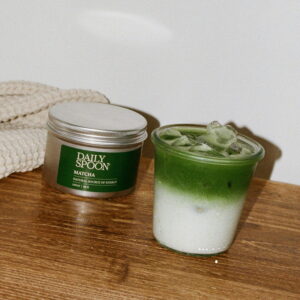
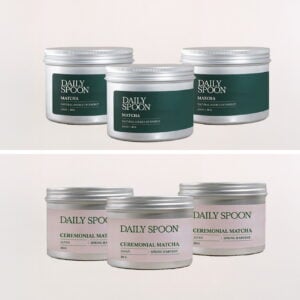
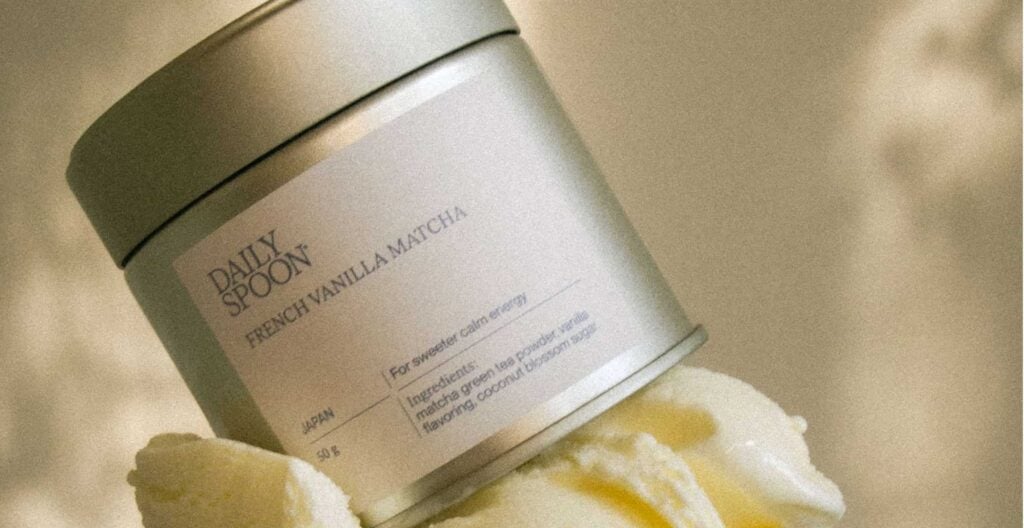
Quick Comparison: Which Daily Spoon Matcha Should You Choose?
To make your decision as simple as possible, here is a quick comparison based on your habits:
| Feature / Need | Daily Spoon Classic Matcha | Daily Spoon Ceremonial Matcha |
|---|---|---|
| How do you like to drink it? | With matcha lattes | Pure with water or as a latte |
| Flavor Profile | Rich, bold, robust character | Velvety, smooth, sweetish (umami) |
| Color | Bright, vibrant green | Intense green |
| When to choose? | For every day | For slow rituals, authentic experience |
3 Quick Tests: How to Spot High-Quality Matcha Instantly
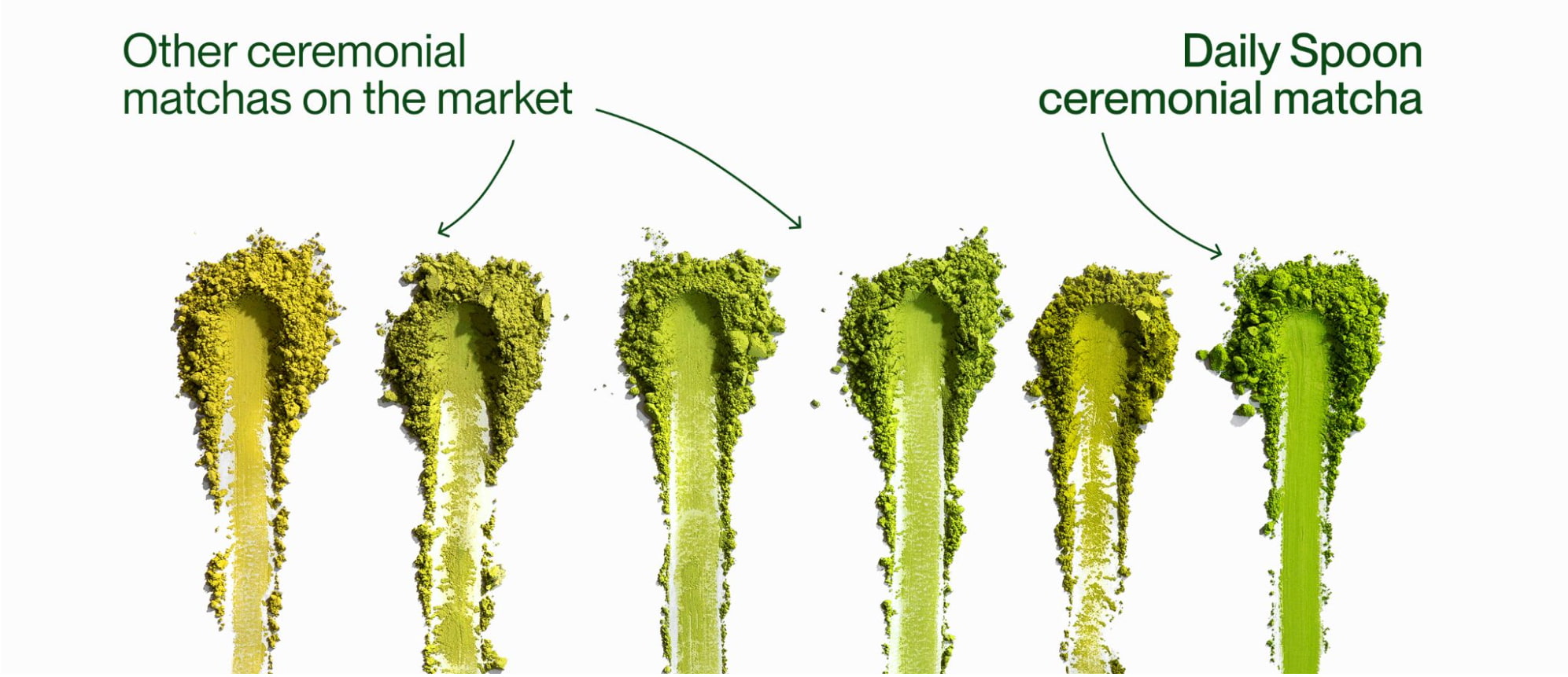
If you already have a package in hand, run these three tests:
- Color test: Sprinkle a little powder onto a white sheet of paper. If the color is bright green (like fresh grass), the quality is excellent. If the color is yellowish, brownish, or grayish, it is poor-quality culinary matcha.
- Finger test: Pinch some powder between your thumb and index finger. Good matcha feels like silk or fine powder. If you feel a grainy, sandy, or sugary texture, the grinding quality is poor.
- Water test: Pour warm water over it and whisk. High-quality matcha froths into a thick layer of fine bubbles. Poor matcha clumps up into hard lumps and settles quickly to the bottom.
So, Which Matcha is Best for YOU?
The answer is simple: The best matcha is the one that fits the way you drink it.
If your morning companion is a creamy Matcha Latte with coconut milk, go for Daily Spoon Classic Matcha. You’ll get the perfect flavor balance, a vibrant color, and save money.
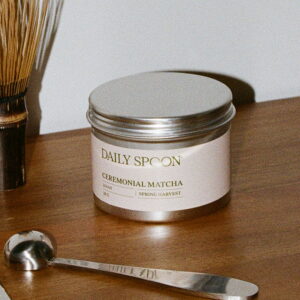
If you are looking for a true tea ritual, want to drink it pure with water, and enjoy silky smoothness, your choice is Daily Spoon Ceremonial Matcha.