





The best creatine is one that delivers both effectiveness and safety. Scientific research overwhelmingly supports creatine monohydrate as the most proven and widely studied form of creatine.
However, choosing the best creatine for your individual needs also requires understanding the other forms available on the market and the key factors that determine product quality. In this article, we’ll explore the different types of creatine, quality considerations, and other important aspects related to its effectiveness and safe use.
Different Forms of Creatine: Which One Is Actually the Best?
Various forms of creatine are available on the market, but scientific evidence consistently identifies creatine monohydrate as the most effective and well-researched option. All forms contain the same active compound—the creatine molecule—and serve the same primary purpose: supporting muscle recovery and improving physical performance during high-intensity exercise.
Different creatine types are created by attaching other compounds, such as salts, to the creatine molecule. This can alter characteristics like solubility, absorption, and digestibility, resulting in products that may be more appealing or easier to use, but not necessarily more effective.
To date, no alternative form of creatine has been shown to outperform creatine monohydrate in reliable scientific studies. Creatine monohydrate remains the gold standard because it is:
- the safest form of creatine available.
- potentially the most effective, with the strongest scientific support.
- the best value for money, offering an excellent balance of cost and performance.
If you’re unsure whether to stick with the simple, pure form of creatine monohydrate or feel overwhelmed by the variety of creatine products on the market, the scientific evidence can help. Numerous studies have examined the effectiveness, safety, and bioavailability of creatine monohydrate and compared it with alternative forms. The findings consistently support creatine monohydrate as the benchmark against which all other creatine products are measured.
Kre-Alkalyn®
Kre-Alkalyn®, also known as buffered creatine, is an alkaline form of creatine produced by combining creatine with pH-adjusting buffering agents.
Manufacturers often claim that Kre-Alkalyn®:
- Remains more stable in the stomach.
- Is absorbed more efficiently.
- Delivers more creatine to the muscles, leading to greater effectiveness.
However, scientific evidence does not support the claim that Kre-Alkalyn® is superior to creatine monohydrate in these areas. In fact, studies comparing the two forms have found no significant differences in absorption, muscle creatine levels, performance improvements, or overall effectiveness. As a result, creatine monohydrate remains the better-supported choice based on current research.
Creatine HCl
Creatine HCl (hydrochloride) is a form of creatine bound to hydrochloride, which improves its solubility in water and may be easier on the digestive system for some users. Thanks to its high solubility and absorption, noticeable benefits may be achieved with smaller doses compared to creatine monohydrate.
However, it’s important to note that compared with creatine monohydrate, Creatine HCl is:
- Less extensively researched.
- Typically more expensive.
For this reason, creatine monohydrate is generally the best starting point. When taken according to recommended guidelines, the risk of digestive discomfort is relatively low. If you do experience issues such as bloating, nausea, or diarrhea, switching to Creatine HCl may be worth considering to see whether your body responds better to this form.
Best Creatine: What Quality Factors Should You Consider When Choosing a Product?
Regardless of the form of creatine you choose, it’s important to evaluate the manufacturer, ingredient list, and other quality indicators that can help determine whether a product is effective, safe, and suitable for your individual needs.
Here are the key factors to consider when reading a creatine label or researching customer reviews:
- Ingredients. A high-quality creatine supplement should contain as few unnecessary additives as possible. Ideally, it should be free from sweeteners, flavorings, and artificial colors. The purest option is a product containing 100% creatine monohydrate and nothing else.
- Manufacturer. The quality of a creatine supplement depends heavily on the manufacturer’s standards regarding ingredient sourcing, quality control, and production practices. Transparency is equally important. Trustworthy brands openly communicate not only the benefits of their products but also details about their ingredients and manufacturing processes.
- Ease of Use. Practical factors such as solubility, taste, and mixability can influence how consistently you use the supplement. While these characteristics do not directly affect creatine’s effectiveness, they can make it easier to incorporate into your daily routine. And without regular use, even the highest-quality creatine will not deliver optimal results.
How Should You Take Creatine?
Creatine should be taken consistently every day, at a dose of 3–5 grams, regardless of whether it’s consumed before or after a workout.
Creatine is suitable for both men and women, although daily dosage can be adjusted based on body weight:
- Women may benefit from 3 grams per day.
- Men, who generally have a higher body weight, may benefit from 5 grams per day.
Since creatine works by gradually increasing the body’s creatine stores, its effects are not immediate. Noticeable benefits typically appear only after these stores become sufficiently saturated through regular daily use.
What Our Community Says About Daily Spoon Creatine
Real customer reviews can help you determine which creatine product is the best fit for your needs. If genuine user feedback is difficult to find, it may be a warning sign that the manufacturer is not being fully transparent about its product.
If customer experiences do not align with the manufacturer’s claims, it is worth taking a closer look at the product’s ingredients, manufacturing standards, solubility, taste, and other key characteristics. While promoting a product is a normal part of building brand awareness, the promises made should accurately reflect the experience and results customers actually receive.
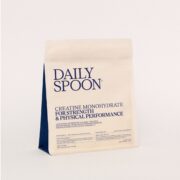
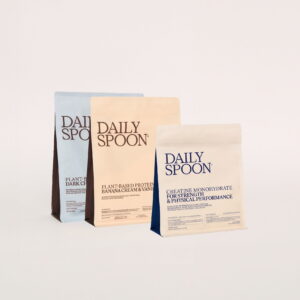
Our community members appreciate that this creatine delivers all the proven benefits of creatine without requiring any changes to their daily routine.
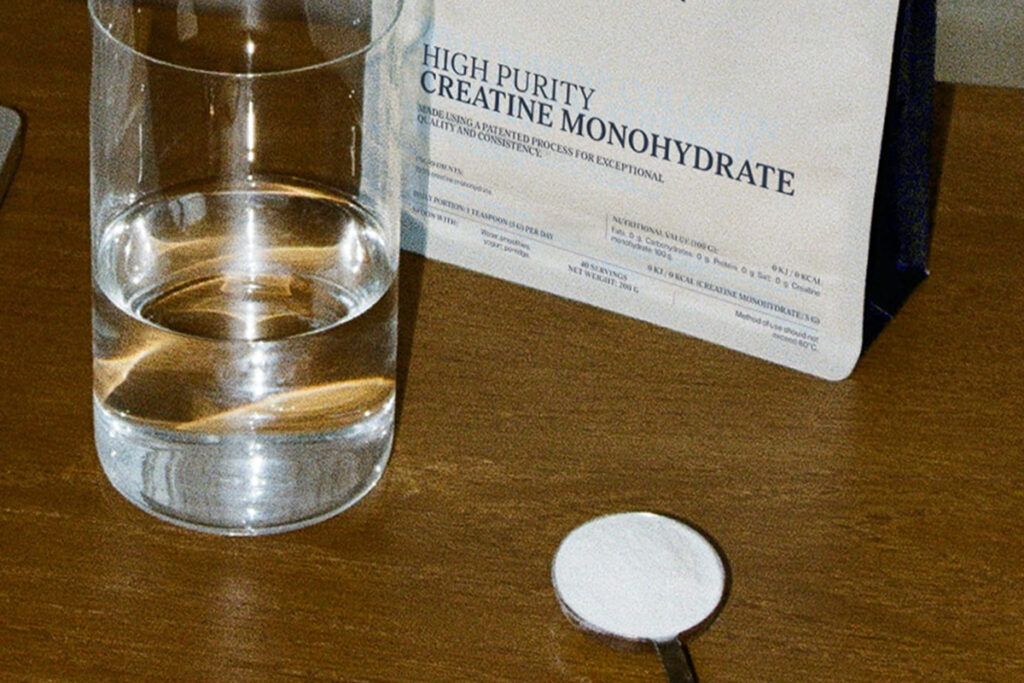
- Thanks to its micronized formula, Daily Spoon Creatine dissolves easily in liquids, leaving no noticeable residue and without affecting the texture of your drink or food.
- It is also unflavored and odorless, allowing you to enjoy the original taste of your smoothie, juice, coffee, water, or any other beverage you choose to mix it with.
Whether you’re an active athlete or simply looking for extra energy to tackle everyday challenges, Daily Spoon Creatine can easily become part of your healthy lifestyle. With its clean ingredient profile, highly soluble micronized formula, and neutral taste, it fits seamlessly into your daily routine.