




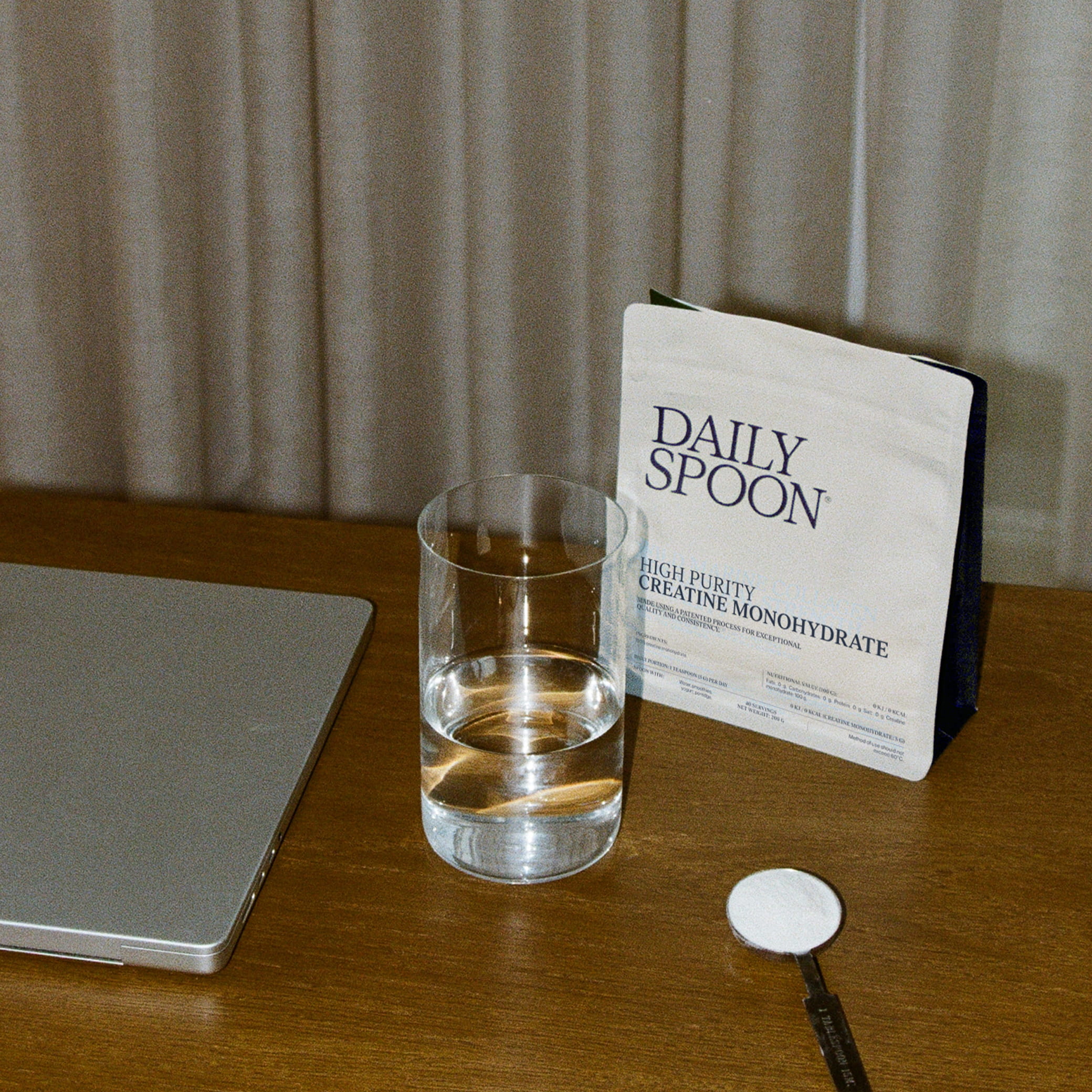
Creatine is a naturally occurring substance produced in the human body and one of the most thoroughly researched supplements, known for helping increase strength, endurance, and supporting cognitive function. While many people have already experienced its benefits firsthand, others still wonder whether it’s worth boosting the body’s natural creatine stores with supplements.
So here’s what I want to cover:
- what creatine is
- how it works in the body
- what dosing strategies can deliver the best results
- and other key points that may help you decide whether this natural compound is right for you
What is creatine?
Creatine is a substance naturally produced in the human body (in the liver, pancreas, and kidneys) from the amino acids arginine, glycine, and methionine. It’s also found in certain animal‑based foods.
Although creatine isn’t essential for survival in the way proteins are, it provides muscles with quick, readily available energy needed to handle high‑intensity physical effort.
When you want to increase the strength and endurance required for demanding training sessions, the creatine your body produces may not be enough. That’s why creatine supplements are used.
What does creatine do in the body?
Creatine helps maintain a high energy level during short, intense physical activity. This is why you can lift a heavy weight or perform more repetitions of an exercise.
Here’s the simplest way to explain what happens in your body. During intense effort, your muscles rapidly use up ATP (adenosine triphosphate) – the body’s primary energy source, which, for example, would last only a few seconds when lifting a heavy weight.
Creatine works like a “battery,” quickly restoring ATP levels in the muscles. As a result, you get more strength and better endurance, meaning you can continue training effectively.
Creatine benefits
Although creatine is often associated with sports, its benefits extend beyond muscle performance and include support for brain function. This means creatine supplements can be used not only by professional or recreational athletes, but also by anyone looking to maintain strong physical and mental performance.
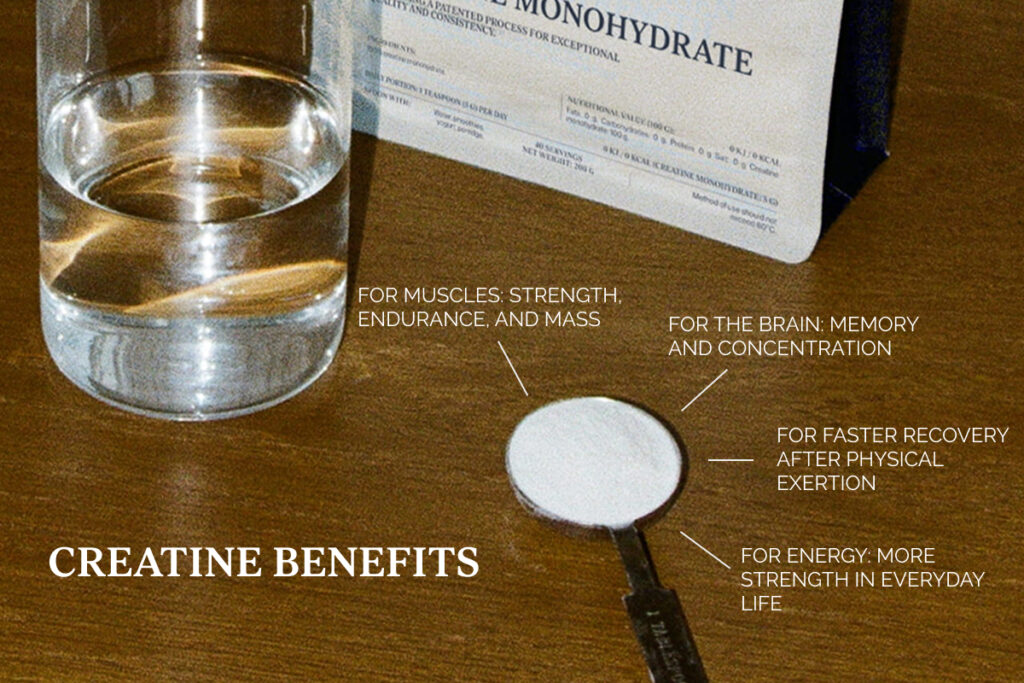
Creatine for muscles: strength, endurance, and mass
Creatine restores muscle energy, increasing strength and endurance during intense activity. This makes it especially valuable for short, high‑intensity workouts such as weight training, sprinting, and similar exercises.
Although creatine does not “inflate” muscles the way steroids do, it creates favorable conditions for muscle growth. Put simply, when you have enough energy for intense and more frequent training, muscle mass is more likely to increase over time.
As we age, creatine taken alongside regular physical activity can help preserve muscle mass. This plays an important role in disease prevention and overall wellbeing.
Creatine for the brain: memory and concentration
Scientific studies show that creatine may also support better brain function. This is particularly useful during periods of stress or fatigue, when the brain requires more energy than usual.
Key cognitive benefits of creatine include:
- positive effects on short‑term memory
- improved attention and concentration
- reduced mental fatigue
This explains why creatine is worth considering not only for athletes, but also for students, people with demanding jobs, or anyone experiencing ongoing stress.
If the topic of “creatine for brain health” interests you, it’s worth exploring research that examines the link between creatine and cognitive performance.
Creatine for faster recovery after exercise
Restoring depleted muscle energy is creatine’s main function, and it is directly linked to quicker recovery after physical activity.
This often results in:
- less muscle soreness after workouts
- faster return of strength after training
- the ability to train more effectively and more frequently
Creatine benefits for women
Creatine can be helpful not only for athletic women, but for anyone looking to maintain energy levels and overall wellbeing.
Some of its effects align particularly well with certain physiological needs of women, including hormonal fluctuations and menstrual cycles.
- Energy levels can vary throughout the menstrual cycle, and creatine helps keep them more stable.
- For active women, creatine may support firmer, more defined muscle tone.
- Women who experience mood swings due to hormonal changes may benefit from creatine’s contribution to emotional balance.
- During menopause, when osteoporosis risk increases, physical activity combined with creatine may help preserve muscle mass and support bone strength.
Creatine for energy: more strength in everyday life
Energy is essential not just in the gym, but in daily life – whether you’re tackling routine tasks or coping with stress and fatigue. Unfortunately, physical and emotional exhaustion leading to low energy is common today.
Regular creatine supplementation, paired with an active lifestyle, can help:
- reduce persistent feelings of fatigue
- maintain stable energy levels throughout the day
- improve productivity
Does creatine harm your health?
Creatine is one of the safest and most extensively studied supplements, and when taken in the correct dosage, it should not cause harm to your health.
That said, creatine supplements are not recommended for pregnant or breastfeeding women, nor for individuals with kidney problems.
Below are the possible side effects of creatine. They are mild, do not cause lasting harm, and usually appear only when starting supplementation or taking higher doses.
- Temporary weight gain caused by water retention in muscles. This usually means +1-2 kg of water, not fat. If your goal is body shaping, don’t rely solely on the scale – look at visual changes as well.
- Digestive discomfort. To avoid bloating, nausea, or diarrhea, it’s best to take creatine after a meal.
Creatine supplements: which form to choose?
Creatine monohydrate is the simplest and most thoroughly researched form. Experts recommend it despite the variety of other types available (malate, phosphate, hydrochloride, etc.).
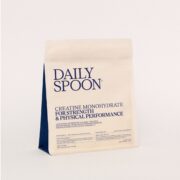
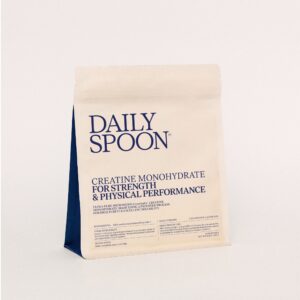
As I like to say, the best supplements are clean, natural products without unnecessary additives that artificially “inflate” the ingredient list. “Daily Spoon” creatine is:
- formulated for safety and effectiveness
- well absorbed
- free of artificial sweeteners, colors, or flavors
- and, like all our products, tastes good and is easy to use
If you’re interested in creatine but haven’t tried it yet, I recommend starting with creatine monohydrate. Being able to precisely control your intake of pure creatine helps reduce the risk of side effects – an important advantage for beginners.
How to take creatine?
Proper creatine use – first and foremost following the recommendations on the product label – helps you get the most benefit while minimizing any risk of side effects.
Here are the main guidelines for creatine supplementation:
- Timing. There is no significant difference between taking creatine before or after a workout. The key is consistent daily use.
- Combining with other nutrients. Taking creatine together with protein (for example, in a protein shake) and carbohydrates can improve creatine absorption, helping muscles recover faster.
- Dosage. The optimal daily dose is 3–5 g of creatine.
- Duration. If you experience no side effects, creatine can be taken continuously.
5 myths about creatine: what science actually says
There are many myths surrounding supplements, and creatine is no exception. Based on scientific evidence, here’s a clear explanation of five common misconceptions:
- Creatine is a steroid. Not true. Creatine is a natural substance, and unlike synthetic steroids, it is safe and legal.
- Creatine can harm the kidneys. Research shows that for people with healthy kidneys, creatine does not damage this organ.
- Creatine causes dehydration. As long as you drink enough water, creatine does not cause dehydration or issues like muscle cramps. In fact, it increases water content in muscles, which can help prevent overheating during intense exercise.
- Creatine works immediately. When you start taking creatine, your muscles retain more water, but strength and muscle gains come only with regular training. Creatine supports this progress, but it’s not an instant‑results supplement.
- Creatine is only for bodybuilders. While popular among bodybuilders, creatine is useful for many athletes – especially in sports requiring strength and speed. It also supports faster recovery and can benefit people who struggle with low energy or reduced cognitive performance.
“Daily Spoon” creatine for training and a more energetic everyday life
Looking for natural ways to make your workouts more effective? Feeling like you’re running low on energy– not only when trying to improve your athletic performance but also when facing everyday challenges? That’s exactly why creatine is valued not just during training, but also as a way to maintain steady daily energy levels.
The energy is already within you. Try the natural, high‑quality “Daily Spoon” creatine and recharge your body’s own power source.
FAQ
Creatine or protein?
Creatine and protein serve different functions. Protein supports muscle growth and recovery, while creatine provides the energy needed for those processes. So you shouldn’t choose one over the other – combining them is more effective. Creatine taken together with protein can enhance overall results.
Is creatine suitable for beginner athletes?
Yes, creatine is suitable for both beginners and advanced athletes. Beginners are especially encouraged to choose creatine monohydrate because its pure composition makes dosing simple and precise.
Is creatine suitable for women?
Yes, creatine is suitable for women. Its effects do not depend on gender. It does not “bulk up” muscles – that’s a common myth. Instead, it helps increase strength, endurance, and workout efficiency. Creatine can also support both physical and mental performance, making it beneficial for both men and women.